Understanding Industrial Neodymium Magnets
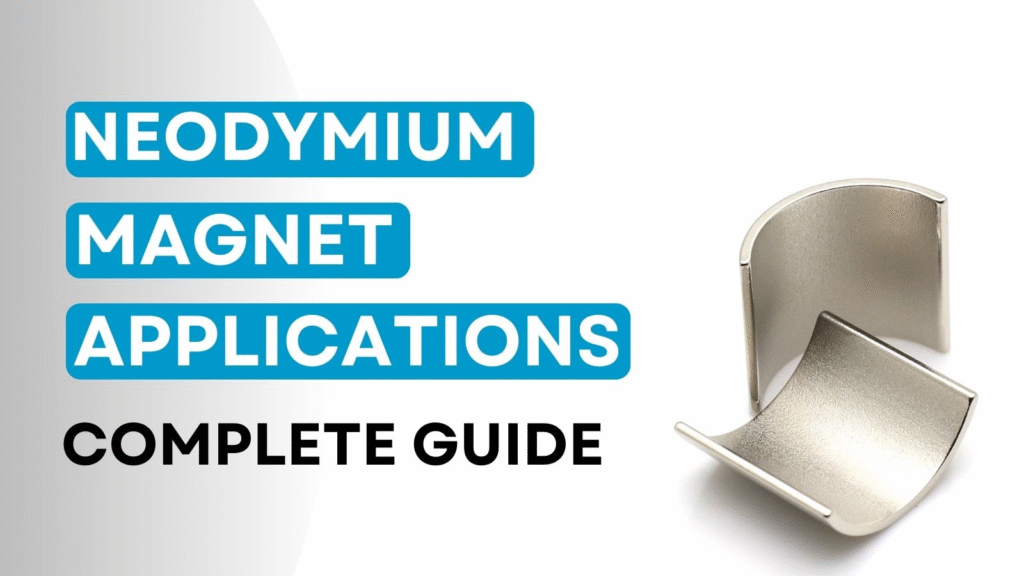
Industrial Neodymium Magnets are among the strongest permanent magnets ever created. These small yet powerful components are made from a combination of neodymium, iron, and boron (NdFeB). Known for their exceptional strength and compact size, they have venta imanes de neodimio become an essential part of modern industry. From electric motors to wind turbines, their uses continue to expand as technology evolves. What makes them unique is their ability to generate a powerful magnetic field while maintaining stability even in demanding environments.
Applications in Modern Industries
These magnets play a vital role in many sectors. In manufacturing, they are used in electric motors, magnetic separators, and robotic systems. The automotive industry relies on Industrial Neodymium Magnets to build efficient electric vehicles, where they help improve performance and energy efficiency. In renewable energy systems, they are essential components of wind turbines, where strong magnetic fields are required for energy conversion. Electronics manufacturers also use these magnets in hard drives, sensors, speakers, and MRI machines. Their wide range of applications proves that they are not just small parts but core contributors to technological progress.
The Science Behind Their Strength
The remarkable strength of Industrial Neodymium Magnets lies in their atomic structure. The neodymium element has unpaired electrons that produce a strong magnetic moment, allowing the magnet to maintain its powerful pull. When combined with iron and boron, it creates a crystal structure that locks in magnetization. This molecular arrangement gives neodymium magnets an edge over other types like ferrite or alnico. Even with their high strength, they remain lightweight and efficient, making them ideal for compact modern machinery.
Challenges and Solutions in Industrial Use
While these magnets are powerful, they come with certain challenges. One major issue is their sensitivity to temperature. At very high temperatures, their magnetism can weaken, which can be problematic for industrial machines that generate heat. To counter this, engineers use protective coatings or mix neodymium with other materials such as dysprosium to improve heat resistance. Corrosion is another challenge since these magnets are prone to rust when exposed to moisture. To solve this, manufacturers use protective layers of nickel, zinc, or epoxy resin to ensure durability and long-term performance. These solutions help maintain their effectiveness and extend their lifespan in harsh working conditions.
Environmental and Economic Impact
The growing demand for Industrial Neodymium Magnets has also raised questions about sustainability. Neodymium is a rare earth element, and mining it can impact the environment. However, many companies are now focusing on recycling and recovery methods to reuse old magnets from discarded electronics and machinery. This not only reduces waste but also cuts costs and dependence on new mining operations. Economically, industries using neodymium magnets benefit from their efficiency, which lowers operational costs and energy use, creating a balance between performance and sustainability.
Future of Neodymium Magnet Solutions
As industries move toward automation, electric vehicles, and renewable energy, the role of Industrial Neodymium Magnets will continue to grow. Research is ongoing to make them even more temperature-resistant and environmentally friendly. With innovations in recycling technology and material science, future magnets may become both stronger and more sustainable. They are not just a part of today’s industrial landscape—they are shaping the future of modern engineering.
Conclusion
Industrial Neodymium Magnets solutions have transformed how industries operate. Their unmatched strength, versatility, and efficiency make them indispensable in today’s world. Despite challenges like heat sensitivity and corrosion, modern solutions have made them reliable and long-lasting. With continuous advancements, these magnets are set to power the next generation of technology, driving innovation across every industrial sector.
About the Author
